Treatment
Jaw disorder (TMJ) treatment services
Jaw disorders include temporomandibular joint (TMJ) problems, malocclusion, and bruxism.
Diagnosis
TMJ · bruxism
Sitting between the lower jaw and the temporal bone (just in front of the ear), the TMJ can cause pain when something's off. Nearly half of all adults have some TMJ dysfunction — often without knowing it. Predisposing factors: malocclusion, inadequate chewing, missing teeth, frequent jaw-clenching, scuba diving or playing wind instruments, trauma.
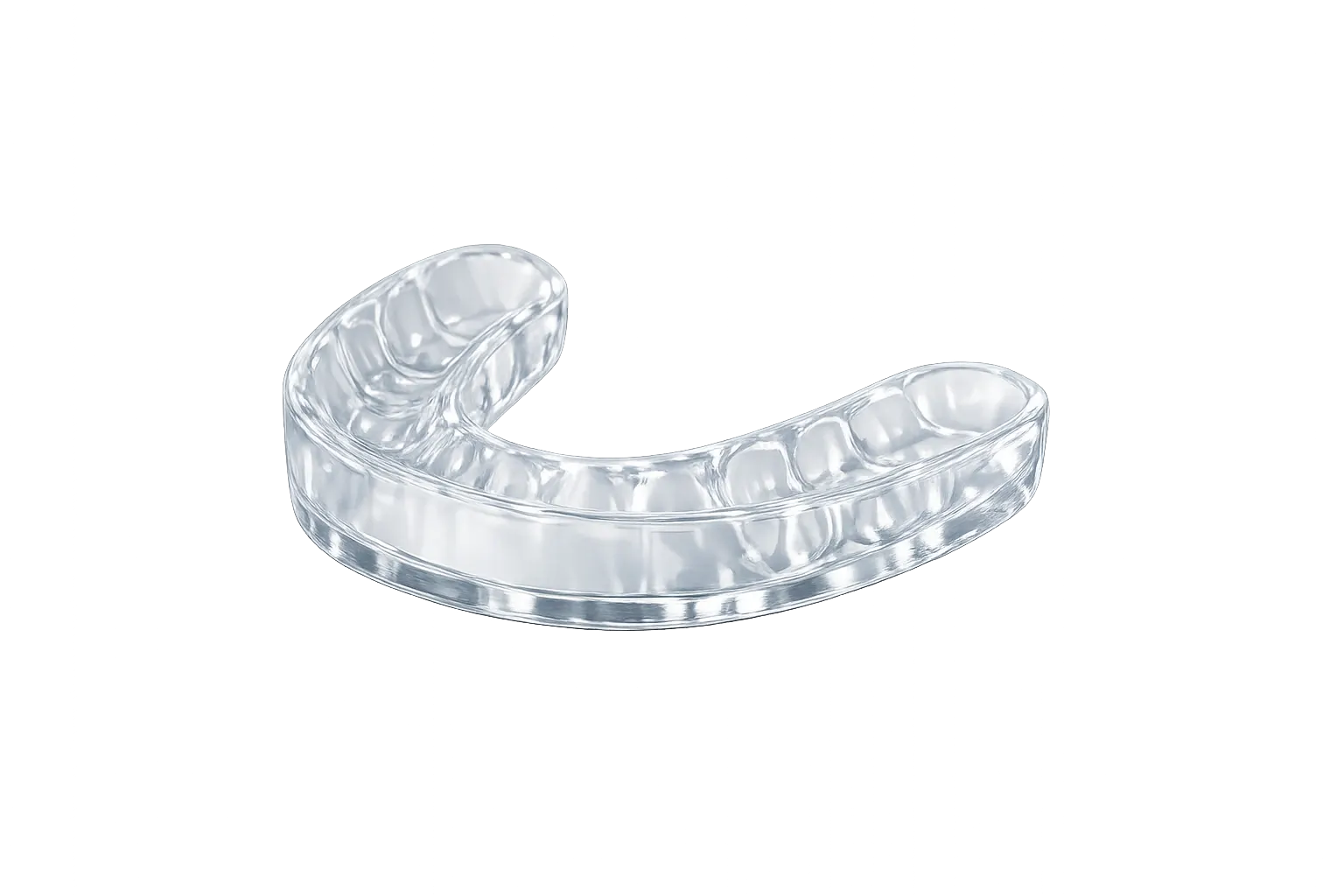
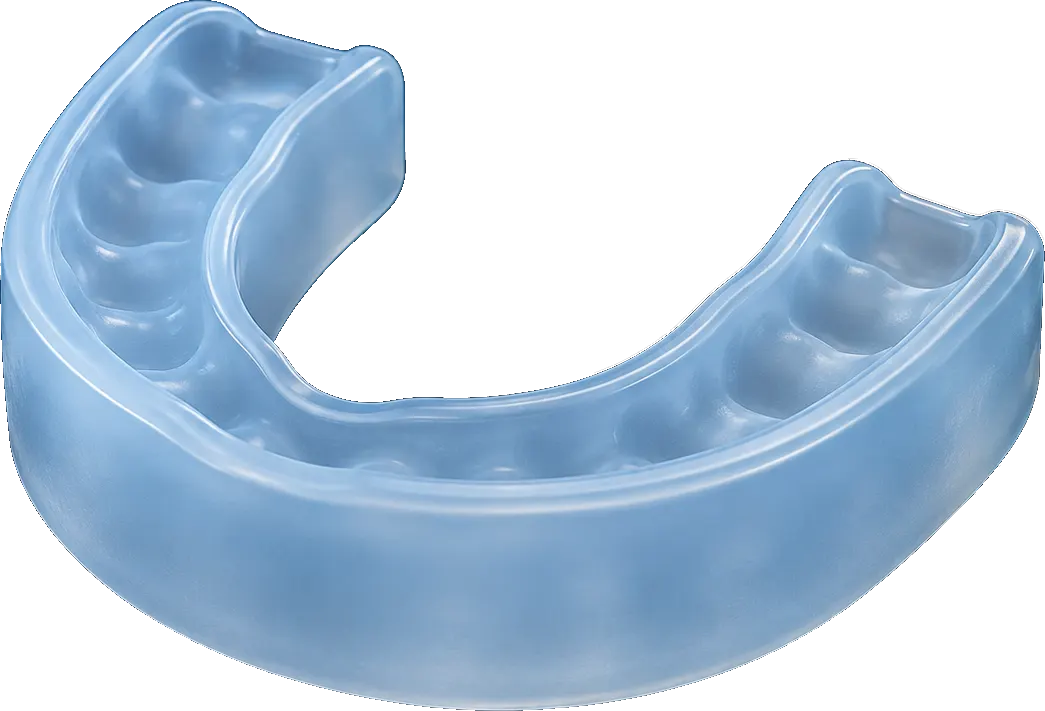
Bruxism is involuntary jaw-muscle contraction — clenching or grinding, often at night. Possible consequences: premature tooth wear, broken fillings, headaches, facial and temple muscle pain. Stress and anxiety are common triggers. Solutions: relaxation techniques, an occlusal splint.
Malocclusion is when the upper and lower jaws don't fit together correctly — incomplete dentition, misaligned or overlapping teeth, or childhood habits (thumb-sucking). Consequences: tooth wear, muscle tension, fragility of protruding teeth, increased cavity and gum-disease risk. Several treatments exist — talk to your dentist.
Emergencies accommodated
Got a question? An emergency? Just call — the phone is the only way to reach us.
We can accommodate dental emergencies. Call us and we will do our best to see you quickly.